Decoding the Prinsesstårta: Iconic Marzipan, Layers & Royal Charm
Few desserts capture the essence of a nation quite like Sweden's beloved Prinsesstårta. More than just a cake, it's a vibrant green marvel, a culinary jewel often gracing celebratory tables from birthdays to graduations. Its unmistakable appearance and harmonious blend of flavors make it a true masterpiece of Scandinavian confectionery. But beyond its obvious beauty, was zeichnet eine schwedische Prinzessinnentorte aus? What truly defines this iconic Swedish Princess Cake and elevates it to such a revered status?
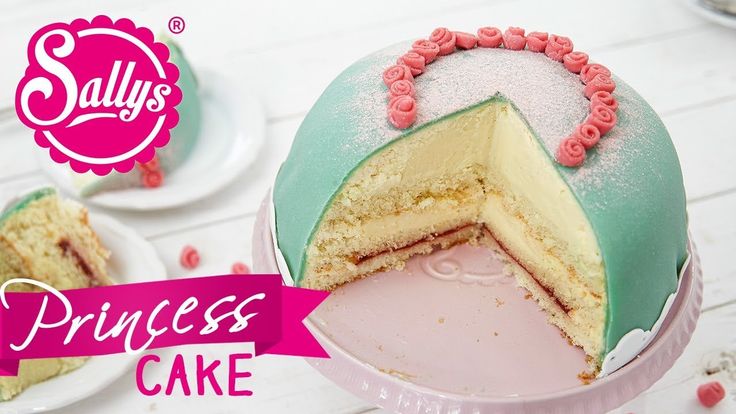
At its heart, the Prinsesstårta is characterized by an artful combination of light sponge cake, a rich vanilla custard, airy whipped cream, and often a layer of tangy berry jam, all meticulously assembled into a distinctive dome shape and enveloped in a smooth, emerald green marzipan blanket. Crowned with a delicate pink marzipan rose, it's a cake that promises both visual delight and a symphony of textures and tastes.
The Hallmarks of an Authentic Prinsesstårta
To truly understand what makes a Prinsesstårta unique, one must examine its core components and the precise way they come together. These aren't just ingredients; they are the architectural elements that give this cake its legendary character.
- The Distinctive Dome Shape: Perhaps the most striking feature, the Prinsesstårta is renowned for its elegant, almost regal, half-sphere silhouette. This signature dome is achieved by carefully mounding whipped cream over the other layers, creating a gentle curve that is then expertly smoothed before the marzipan is applied. This not only gives the cake its fairytale appearance but also ensures a generous helping of the fluffy cream in every slice.
- The Signature Green Marzipan Cloak: A thin, flawlessly smooth layer of brightly colored marzipan is the Prinsesstårta's most iconic covering. Traditionally a vibrant, light green, this pliable almond paste creates a perfect, wrinkle-free shell that seals in the moist layers beneath. This marzipan isn't just for show; it adds a delicate almond flavor and a unique chewiness that contrasts beautifully with the soft interior. This tradition has been a hallmark of the cake since the 1930s.
- The Harmonious Layering: Beneath its verdant exterior lies a carefully constructed interior. The cake typically features:
- Light-as-air Sponge Cake (Genoisesponge): Thin, airy layers of sponge provide a delicate foundation, absorbing moisture from the creams without becoming soggy.
- Velvety Vanilla Custard: A rich, creamy vanilla pudding or pastry cream adds depth and a comforting sweetness, forming a core layer that grounds the lighter elements.
- Generous Whipped Cream: Copious amounts of freshly whipped cream are essential, providing the bulk of the dome shape and lending an ethereal lightness to the cake.
- Tangy Berry Preserve: While originally omitted, modern versions frequently include a thin layer of raspberry jam or other berry preserves. This adds a crucial tart counterpoint, cutting through the richness of the creams and introducing a delightful fruity zest.
- The Delicate Decorations: A dusting of powdered sugar adds a touch of snowy elegance, while the quintessential pink marzipan rose perched atop the dome serves as its crowning glory. Sometimes, a white whipped cream border is also added for a fresh contrast.
Together, these elements create a cake that is visually stunning, texturally complex, and exquisitely balanced in flavor – truly defining what a Swedish Princess Cake is all about.
A Royal Ascent: The History Behind the Prinsesstårta
The story of the Prinsesstårta is as charming as the cake itself, tracing its origins back to early 20th-century Sweden. Initially known simply as "Grüne Torte" (Green Cake) due to its distinctive color, this delightful pastry was first created in the 1920s or 1930s by Jenny Åkerström, a renowned Swedish home economics teacher. She taught at the Martha School for girls in Stockholm, where she tutored the daughters of Prince Carl, Duke of Västergötland, and Princess Ingeborg of Denmark.
The three princesses – Margaretha, Märtha, and Astrid – were reportedly so enchanted by the cake that it was renamed in their honor, becoming the "Prinsesstårta" or Princess Cake. From humble beginnings in a confectionery, it quickly gained national recognition, becoming a symbol of Swedish festivity and culinary pride. Originally, the cake did not typically feature fruit jam, but this has been a popular modern addition, enhancing its fruity notes. Today, it remains a beloved summer classic, a staple in Swedish bakeries, and a centerpiece for all types of celebrations. Delve deeper into its fascinating lineage by reading The Royal History of Prinsesstårta: From "Green Cake" to Swedish Icon.
Crafting Your Own Prinsesstårta: Tips for Home Bakers
While the Prinsesstårta is undeniably elegant, its creation is an exercise in precision and patience, taking approximately 8 hours from start to finish, including crucial chilling times. It is an ambitious project for the home baker, but the reward is a truly magnificent and delicious cake.
Here’s a general guide to the intricate process:
- Bake the Sponge Layers: You'll typically need two or three thin layers of light Genoise sponge cake, made from eggs, sugar, and flour. These are baked at around 170°C (340°F) for 20-25 minutes until golden and airy.
- Prepare the Creams: A luscious vanilla pastry cream, often made with egg yolks, milk, and starch, forms one of the essential fillings. Separately, heavy cream is whipped to stiff peaks, ready to be mounded into its iconic dome.
- Assemble with Care: The layering process is key. Start with a sponge base, spread a thin layer of raspberry jam (if using), followed by a generous layer of vanilla cream. Top with another sponge layer, then mound the whipped cream high in the center, gradually tapering it towards the edges to create the characteristic dome shape. Finish with the final sponge layer.
- Crucial Chilling: This step cannot be rushed. The assembled cake must chill for at least 4 hours, or preferably overnight, to allow the layers to settle and firm up. This stability is vital for the next step.
- Marzipan Mastery: The most visually defining challenge is applying the marzipan. A thin sheet of green marzipan is carefully rolled out and draped over the chilled cake. It requires a gentle touch and steady hands to smooth out any wrinkles, ensuring a flawless finish that encapsulates the dome.
- Decorate with Flair: A dusting of powdered sugar and the placement of a delicate pink marzipan rose complete the transformation.
Achieving a perfectly smooth marzipan covering takes practice, but the effort is immensely satisfying. The key is to work with well-chilled cake and pliable marzipan. For a detailed step-by-step guide and invaluable insights, be sure to consult Prinsesstårta Unveiled: Mastering Sweden's Dome-Shaped Marzipan Cake.
Modern Twists and Enduring Traditions
While the classic Prinsesstårta, with its light green marzipan and raspberry jam, remains supremely popular, the world of confectionery is ever-evolving. Modern interpretations of this beloved cake have emerged, catering to varied tastes and trends. Some bakers experiment with different fruit fillings, incorporating strawberries or other berries to adapt to seasonal availability or personal preference. Others might venture into flavored marzipan, perhaps pistachio or almond, to offer a subtle twist on the traditional almond notes. The strict dome shape can also give way to more creative forms, such as heart-shaped cakes for romantic occasions, making them social media sensations.
However, many purists staunchly adhere to the original recipe, believing that its simple elegance and balanced flavors are perfect as they are. The enduring popularity of the traditional Prinsesstårta at celebrations, from everyday fika (coffee breaks) to significant life events, speaks volumes about its timeless appeal. It successfully bridges the gap between cherished tradition and contemporary culinary exploration, proving its versatility while maintaining its iconic identity.
The Prinsesstårta is far more than just a sweet treat; it is a cultural icon, a symbol of Swedish hospitality, and a testament to refined pastry artistry. Its defining features—the ethereal dome, the vibrant green marzipan, and the exquisite layering of flavors and textures—create a truly unforgettable experience. Whether you're savoring a slice in a cozy Swedish café or embarking on the rewarding journey of baking one yourself, the Prinsesstårta promises a taste of royal charm and a deep dive into the heart of Swedish confectionery.