The Royal History of Prinsesstårta: From "Green Cake" to Swedish Icon
Few desserts capture the heart and palate quite like the Swedish Prinsesstårta. With its distinctive dome shape, vibrant green marzipan, and luscious creamy layers, this iconic cake is far more than just a sweet treat – it's a true national symbol, synonymous with celebration and the quintessential Swedish concept of fika. But what exactly defines a Swedish Princess Cake, or to use the main keyword's essence, was zeichnet eine schwedische Prinzessinnentorte aus? Its unique combination of visual appeal, textural harmony, and a charming royal history sets it apart, transforming it from a simple "Green Cake" into a beloved culinary masterpiece cherished across generations.
The Defining Features of Prinsesstårta: What Makes This Cake an Icon?
To truly understand was zeichnet eine schwedische Prinzessinnentorte aus, one must appreciate its harmonious blend of components, each playing a crucial role in its identity. The Prinsesstårta is a masterclass in balance, offering a delightful interplay of textures and flavours that are instantly recognisable:
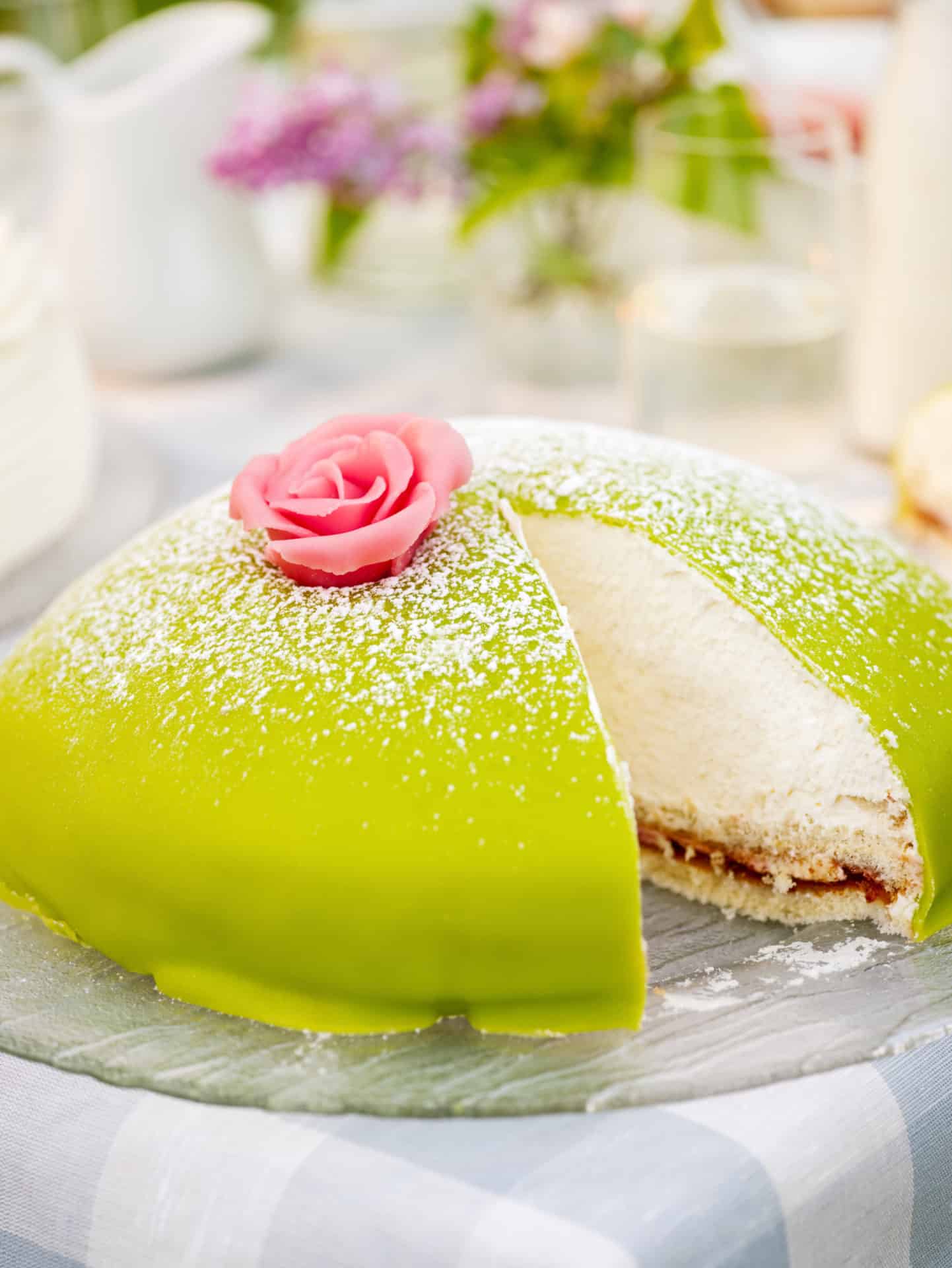
- The Iconic Dome Structure: Perhaps its most striking visual characteristic, the cake is crowned with a gentle, elegant dome. This distinctive silhouette is achieved by artfully mounding a generous layer of whipped cream, creating a soft, cloud-like peak beneath the marzipan. This structure doesn't just look elegant; it also provides a stable base for the subsequent layers.
- Vibrant Green Marzipan Cloak: A thin, smooth blanket of brightly coloured (traditionally light green) marzipan completely encases the entire cake. This marzipan layer is meticulously rolled out and draped over the dome, requiring a steady hand to ensure it's free of wrinkles and folds. The green hue, dating back to the 1930s, is so emblematic that it's almost unthinkable to imagine a Prinsesstårta without it, though modern variations do experiment with other colours.
- Harmonious Layering: Beneath the marzipan and cream lies a symphony of soft textures. Typically, the cake features several layers of airy, light Genoise sponge cake, alternating with a rich, velvety vanilla custard (often referred to as vanilla cream or pudding cream), and a tart counterpoint of berry jam—classic raspberry jam being the most traditional choice. This interplay provides a delightful contrast between the airy sponge, the silky cream, and the fruity burst of the jam.
- Subtle yet Elegant Decoration: A classic Prinsesstårta is typically adorned with a delicate pink marzipan rose placed atop its green dome, often accompanied by a dusting of powdered sugar. Sometimes, a decorative border of white whipped cream is added around the base, providing a fresh contrast to the vibrant green. This understated elegance underscores its royal namesake.
These core characteristics define the essence of a Prinsesstårta, making it an unmistakable highlight of Swedish confectionery art. Its unique properties make it perfectly suited for celebratory occasions, embodying joy and festivity.
From "Green Cake" to Royal Delicacy: A Historical Journey
The story of the Prinsesstårta is as enchanting as the cake itself, rooted in the culinary innovations of early 20th-century Sweden. Born in the kitchens of a Stockholm café during the 1920s or 1930s, this exquisite dessert was initially known as "Grön Tårta," or the "Green Cake," a straightforward description of its most visible feature.
Its transformation from a simple "Green Cake" to the regal "Princess Cake" is attributed to Princess Margaretha, Princess Märtha, and Princess Astrid, the daughters of Prince Carl, Duke of Västergötland. These three princesses were pupils of Jenny Åkerström, a renowned Swedish cooking instructor who first published the recipe in her 1948 cookbook, Prinsessornas Kokbok (The Princesses' Cookbook). Legend has it that the princesses were so enamoured with this particular cake that it was lovingly renamed in their honour. This royal endorsement propelled the cake from a local pastry to a national sensation, solidifying its place as a symbol of Swedish elegance and tradition.
Over the decades, the Prinsesstårta has seamlessly integrated itself into the fabric of Swedish life. It's a staple at birthdays, graduations, confirmation ceremonies, and other special occasions, becoming a beloved part of the country's cultural heritage and a timeless classic often found in Swedish bakeries, particularly during the summer months.
Mastering the Art of Prinsesstårta: Tips for Home Bakers
While the Prinsesstårta's beauty might suggest daunting complexity, creating this masterpiece at home is a rewarding endeavour that requires precision, patience, and a touch of culinary finesse. The journey, though potentially taking around eight hours including crucial chilling time, is undoubtedly worthwhile.
- Perfecting the Sponge: Begin by baking two to three thin, airy Genoise sponge cakes. The quality of your sponge—made from eggs, sugar, and flour—is foundational to the cake's light texture. Bake at around 170°C (340°F) for 20-25 minutes until golden and springy. Ensure they are completely cooled before assembling.
- Crafting the Creams: Prepare your vanilla custard using egg yolks, milk, and starch, ensuring it's smooth and thick. Separately, whip your heavy cream to stiff peaks. The firmness of the whipped cream is vital for building the signature dome structure.
- The Art of Layering: This is where the magic begins. Start with a sponge layer, spread a thin layer of raspberry jam, then a generous layer of vanilla custard. Place another sponge layer, and then the critical step: mound your whipped cream on top, gradually building it into the characteristic dome shape. Smooth it out meticulously to ensure an even canvas for the marzipan.
- The Chill Factor: This step cannot be overstated. Once assembled, the cake needs to chill in the refrigerator for at least four hours, ideally longer. This allows the layers to set firmly, making it much easier to handle when applying the marzipan.
- Marzipan Mastery: Roll out your coloured marzipan thinly and evenly on a lightly dusted surface. Carefully lift it and drape it over the chilled, domed cake, smoothing it gently from the top downwards to eliminate any air bubbles or wrinkles. A clean, smooth finish is a hallmark of a well-made Prinsesstårta.
- Final Touches: Complete your masterpiece with the traditional pink marzipan rose and a dusting of powdered sugar.
While purists champion the classic recipe, home bakers often enjoy experimenting. Some variations might include strawberries in place of raspberries, or even a subtle hint of pistachio in the cream for a different flavour profile. However, the core elements remain universally cherished. For those eager to master the intricate layers and iconic dome shape, our guide on Prinsesstårta Unveiled: Mastering Sweden's Dome-Shaped Marzipan Cake offers detailed steps and expert insights. And to delve deeper into the symbolism and craft behind its famed exterior, check out Decoding the Prinsesstårta: Iconic Marzipan, Layers & Royal Charm.
The Enduring Appeal: Tradition Meets Modernity
The Prinsesstårta has maintained its iconic status by skillfully navigating the balance between cherished tradition and subtle innovation. While its core elements remain steadfast, modern trends have introduced some playful variations:
- Evolving Fillings: Traditionally, the cake featured vanilla cream and whipped cream, with raspberry jam becoming a common addition over time. Today, bakers might explore other berry jams like strawberry, or even add fresh fruit layers, though the essence of creamy fruitiness prevails.
- Marzipan Nuances: While the bright green marzipan is sacrosanct for many, there's a growing trend towards flavoured or subtly tinted marzipan, perhaps a light yellow for a passion fruit variation or a pale blue for a baby shower. Yet, the smooth, pliable texture of the marzipan remains paramount.
- Creative Forms: While the strict dome shape is the most recognised, modern takes occasionally see the Prinsesstårta in creative forms like heart shapes or individual mini-cakes, especially for social media trends. However, these are often seen as playful interpretations rather than replacements for the classic.
Despite these minor divergences, the fundamental identity of the Prinsesstårta remains rooted in its traditional construction. Its popularity continues to soar, not just as a festive centrepiece but also as a social media darling, with its photogenic qualities garnering attention worldwide. Its enduring appeal lies in its ability to evoke nostalgia while remaining relevant and visually stunning in a contemporary context.
The Prinsesstårta is more than just a cake; it's a testament to Swedish culinary heritage, a sweet echo of royal patronage, and a vibrant symbol of celebration. From its humble beginnings as the "Green Cake" to its current status as a globally recognized icon, its unique blend of light sponge, rich creams, tart jam, and the unmistakable green marzipan continues to captivate hearts and palates. It truly embodies the answer to was zeichnet eine schwedische Prinzessinnentorte aus – a harmonious masterpiece that brings joy, elegance, and a taste of Swedish tradition to any table.