Prinsesstårta Unveiled: Mastering Sweden's Dome-Shaped Marzipan Cake
The culinary landscape of Sweden is dotted with an array of delightful treats, but few capture the heart and imagination quite like the enchanting Prinsesstårta. This iconic dessert, instantly recognizable by its vibrant green marzipan cloak and elegant dome shape, is more than just a cake; it's a celebration of Swedish tradition, a testament to masterful confectionery, and a truly unforgettable sensory experience. For anyone curious about
was zeichnet eine schwedische Prinzessinnentorte aus, the answer lies in its meticulous construction, exquisite balance of flavors, and rich cultural heritage.
At its core, Prinsesstårta is a harmonious blend of light sponge cake, creamy vanilla custard, billowy whipped cream, and a often a hint of tart fruit preserve, all gracefully encased in a pliable layer of brightly colored marzipan. This combination creates a dessert that is simultaneously rich and refreshing, making it a beloved staple at Swedish celebrations, from birthdays and graduations to everyday fika gatherings.
The Defining Characteristics: Was Zeichnet Eine Schwedische Prinzessinnentorte Aus?
To truly understand what sets the Prinsesstårta apart, one must delve into its unique architectural and flavor profile. Each element plays a crucial role in crafting this masterpiece, embodying the very essence of
was zeichnet eine schwedische Prinzessinnentorte aus.
*
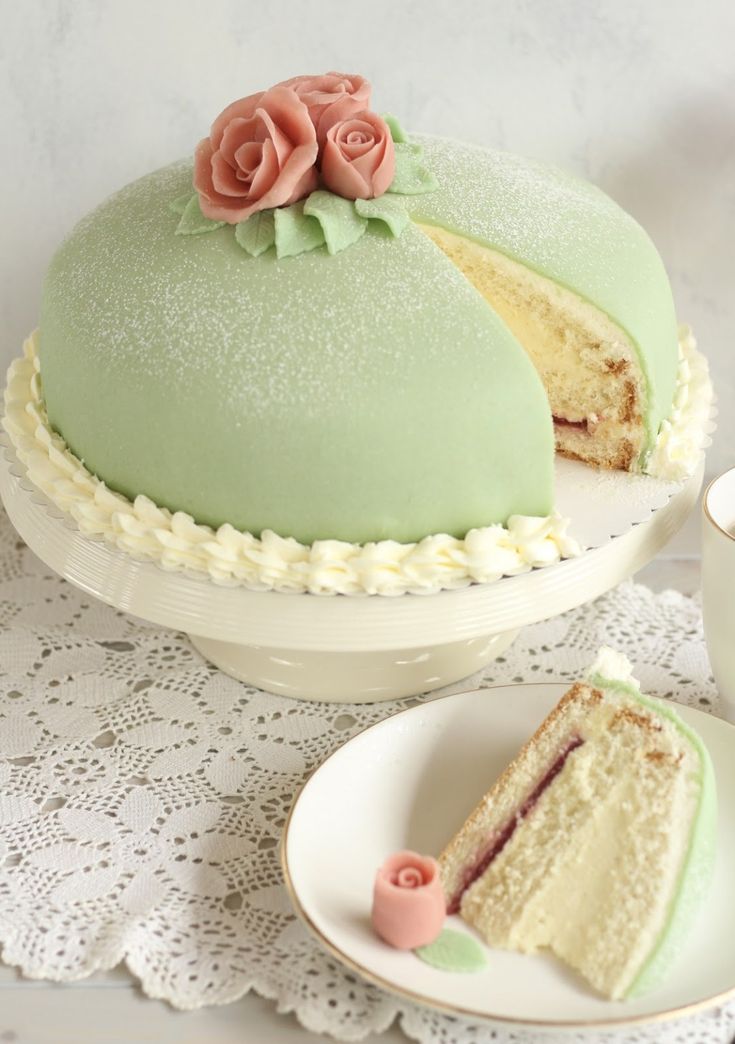
The Iconic Dome Shape: Perhaps the most striking feature, the Prinsesstårta's distinctive dome is not merely decorative; it's fundamental to its identity. This graceful curve is achieved by carefully mounding the whipped cream over the central layers, creating a semi-spherical structure that lends the cake an air of elegance and whimsy, much like a culinary fairy-tale globe. This shape provides not only visual appeal but also contributes to the cake's unique mouthfeel, ensuring a generous bite of creamy goodness with every slice.
*
The Vibrant Green Marzipan Cloak: The smooth, often pale green marzipan layer is the cake's signature attire. Draped meticulously over the dome, it creates a flawless, taut finish that requires considerable skill to achieve without wrinkles or tears. This marzipan is typically almond-flavored, offering a subtle nuttiness that beautifully complements the creamy fillings. While traditionally a light, almost pastel green, variations sometimes feature other hues, though the green remains the most classic and recognizable. This vibrant wrapper is a hallmark that immediately answers the question:
was zeichnet eine schwedische Prinzessinnentorte aus.
*
Harmonious Layering: Beneath the marzipan lies a symphony of textures and tastes:
*
Light Genoise Sponge: The foundation of the Prinsesstårta consists of several thin layers of delicate Genoise sponge cake. This airy, buttery sponge provides a soft, melt-in-your-mouth base that absorbs moisture beautifully from the creams, ensuring the cake remains tender and never dry.
*
Creamy Vanilla Custard: A rich, luscious layer of homemade vanilla custard (or crème pâtissière) adds depth and a classic comforting sweetness. Its smooth consistency contrasts wonderfully with the light sponge and airy cream.
*
Whipped Cream: Piled high to form the signature dome, generous amounts of lightly sweetened whipped cream are the heart of the Prinsesstårta. It provides the essential lightness and creaminess that defines the cake's texture, giving it an almost cloud-like quality.
*
Fruit Preserve (Often Raspberry): While earlier versions of the Prinsesstårta might not have included fruit, modern renditions almost invariably feature a layer of tart fruit preserve, most commonly raspberry. This adds a crucial element of fruity tanginess, cutting through the richness of the creams and balancing the overall sweetness, elevating the flavor profile significantly.
*
Elegant Decoration: The final touches often include a dusting of powdered sugar, mimicking freshly fallen snow, and a delicate pink marzipan rose placed atop the dome. This charming rose is not just an adornment; it's a traditional symbol that completes the cake's classic, elegant presentation, adding a touch of fragile beauty. Sometimes, a piped white cream border may also grace the base for added visual appeal.
A Royal History and Enduring Legacy
The Prinsesstårta's journey from a humble "Grüne Torte" (Green Cake) to a national treasure is a fascinating one, deeply intertwined with Swedish royalty. Originating in the 1920s or 1930s, this cake quickly charmed the palates of Princesses Margaretha, Märtha, and Astrid, daughters of Prince Carl, Duke of Västergötland. Their fondness for the cake led to its renaming, forever cementing its "royal" status and transforming it into the "Prinsesstårta" we know and adore today. This captivating backstory adds another layer to
was zeichnet eine schwedische Prinzessinnentorte aus – its aristocratic connection.
The cake rapidly became a symbol of Swedish festivity and a beloved feature in bakeries across the country. It’s a staple for celebrations, marking special milestones and bringing people together. As a timeless representation of Swedish confectionery art, its appeal lies not just in its taste but also in the comfort of tradition it embodies. For a deeper dive into its fascinating past, explore
The Royal History of Prinsesstårta: From "Green Cake" to Swedish Icon.
Mastering the Art: Tips for Home Bakers and Creative Variations
While the Prinsesstårta might appear daunting to recreate at home, with patience and precision, it is a truly rewarding endeavor. The process typically takes about 8 hours, including crucial chilling time, but the result is a show-stopping dessert that will impress any guest.
1.
The Sponge: Begin by baking 2-3 thin layers of light Genoise sponge. Ensure your eggs are at room temperature for maximum volume when whisking with sugar. Bake until golden and springy, then cool completely.
2.
The Creams: Prepare your vanilla custard ahead of time to allow it to cool and thicken properly. Separately, whip your heavy cream to stiff peaks, ensuring it's cold for optimal volume.
3.
The Assembly: This is where the magic happens. On your first sponge layer, spread a thin layer of raspberry preserve. Top with vanilla custard, then another sponge. Now, carefully mound the whipped cream, shaping it into the characteristic dome. This requires a gentle hand and an eye for symmetry.
4.
The Chill: This step is non-negotiable. Refrigerate the assembled cake for at least 4 hours, or preferably overnight. This allows the layers to set, firming up the cream and making the marzipan draping much easier.
5.
The Marzipan Drape: On a lightly powdered sugar surface, roll out your green marzipan into a thin, even circle, large enough to cover the entire dome with a slight overhang. Carefully lift and drape it over the chilled cake, smoothing it gently from the top downwards to eliminate any air bubbles or wrinkles. Trim the excess marzipan neatly around the base.
6.
The Finishing Touches: Decorate with a dusting of powdered sugar and a handmade pink marzipan rose.
While purists swear by the classic recipe, modern variations allow for creative exploration. Some bakers experiment with different fruit fillings, like strawberries or blueberries, or even introduce alternative cream flavors such as pistachio. The strict dome shape can also be adapted for heart-shaped cakes or smaller individual portions. However, for a deep dive into the classic composition and its individual elements, check out
Decoding the Prinsesstårta: Iconic Marzipan, Layers & Royal Charm.
Conclusion
The Prinsesstårta is more than just a cake; it’s a beautifully crafted symbol of Swedish culinary artistry and festive spirit. From its iconic dome and verdant marzipan to its delicate layers of sponge, custard, and cream, every aspect contributes to its unique charm and enduring popularity. Understanding
was zeichnet eine schwedische Prinzessinnentorte aus reveals a dessert that is not only visually stunning but also offers a perfectly balanced symphony of flavors and textures, making it a truly unforgettable experience. Whether enjoyed in a cozy Swedish café or lovingly recreated in a home kitchen, the Prinsesstårta continues to captivate and delight, embodying the sweet heart of Sweden.